In electronics, a t clamper circuit is one kind of a diode clamper, composed of different values of resistance and capacitance. It is used to shift the DC level of a signal, and is often very important in electronic systems. Get familiar with the world of t clamper circuits - how they work and how they can be used to improve electronic circuits.
Type of circuit The t claper is a type of circuit that is ude for shifting the Dc level of a signal. In other words, that it can raise or lower the offset of a signal and leave its AC part untouched. The t clamper circuit also contains a diode, capacitor and a resistor. When an input signal is applied to the circuit, the capacitor is charged (or discharged) through the diode that has an orientation the same or opposite to that of the input signal. This shifts the DC level of the signal up or down.
To use a t clamper to change DC level in a signal, you must first connect the input signal to the t clamper circuit. The capacitor will subsequently be charged/discharged through the diode resulting in a DC-level shift of the signal. You can vary how much the DC point of the signal swings by changing the values of the capacitor and resistor used to form the circuit. This may be used, for example, for biasing a signal or suppressing undesired DC offsets.
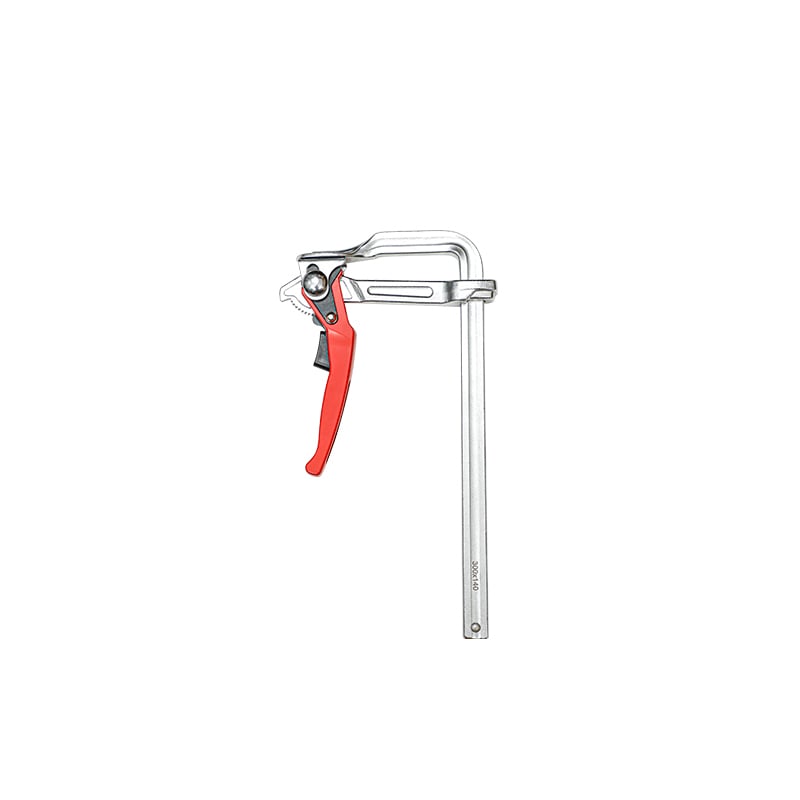
One advantage of the t clamper circuit is it can maximize the clarity of a signal. If you can cancel out undesirable DC offsets from a signal, or adjust the bias of the same you can make sure your signal will be nice and pretty, quite different than distorted! This can be especially important with audio circuits where a good signal is important to produce excellent sound.

hen any t clamper circuits have problems just like any electronic circuit. Another problem is that the DC level of the signal does not always translate to the output signal, causing distortions in the signal output. In many cases, it can be caused by mistaken component values, or bad connections. You can troubleshoot these problems and have the t clamper circuit running as it should, with some thorough circuit verification and correction.

For the audio systems, a t clamper circuit can improve the sound quality of the output. You can then set the DC level of your signal and it can remove any offsets you may not want so that the audio signal is left clean and clear. This can make it a more enjoyable experience for the user to listen. For audio products, you may want to include a "t clamper" circuit to further improve signal clarity and sound character.

Welcome to Zhuoyuan, a factory specialized in various types of C clamp, F clamps, Pipe clamp, aluminum alloy cross clips, T-shaped clips Supplier, bar clamp, pipe wrench, bolt cutters, etc.
Sujia Village Industrial Park, Liuxin Town, Huaihai International Port Area, Xuzhou
Copyright © Xuzhou Zhuoyuan Hardware Tools Co., Ltd. All Rights Reserved Privacy Policy - Blog
 EN
EN